Our Treatment Specialities


Our Other Treatment Specialities
AUTISM SPECTRUM DISORDER
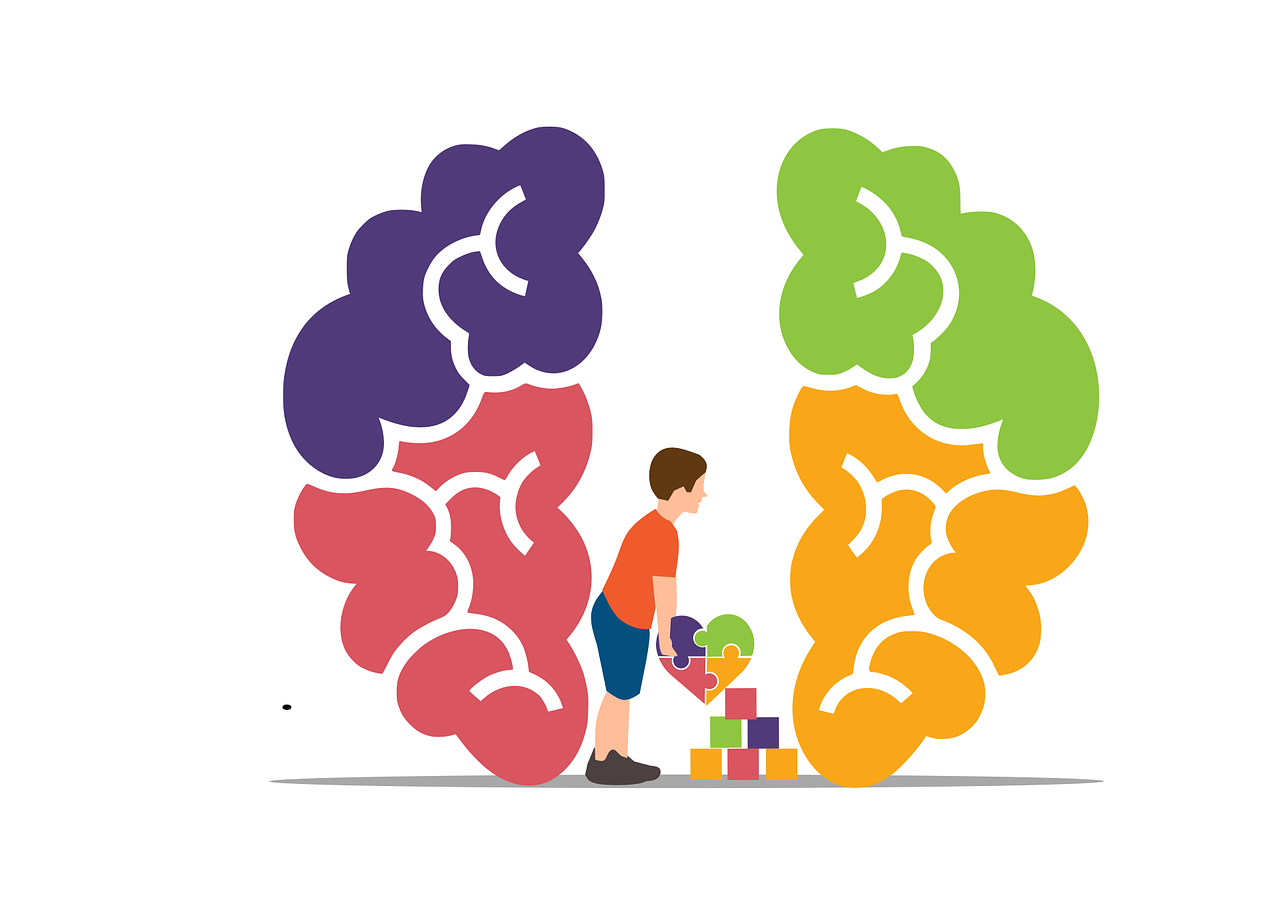
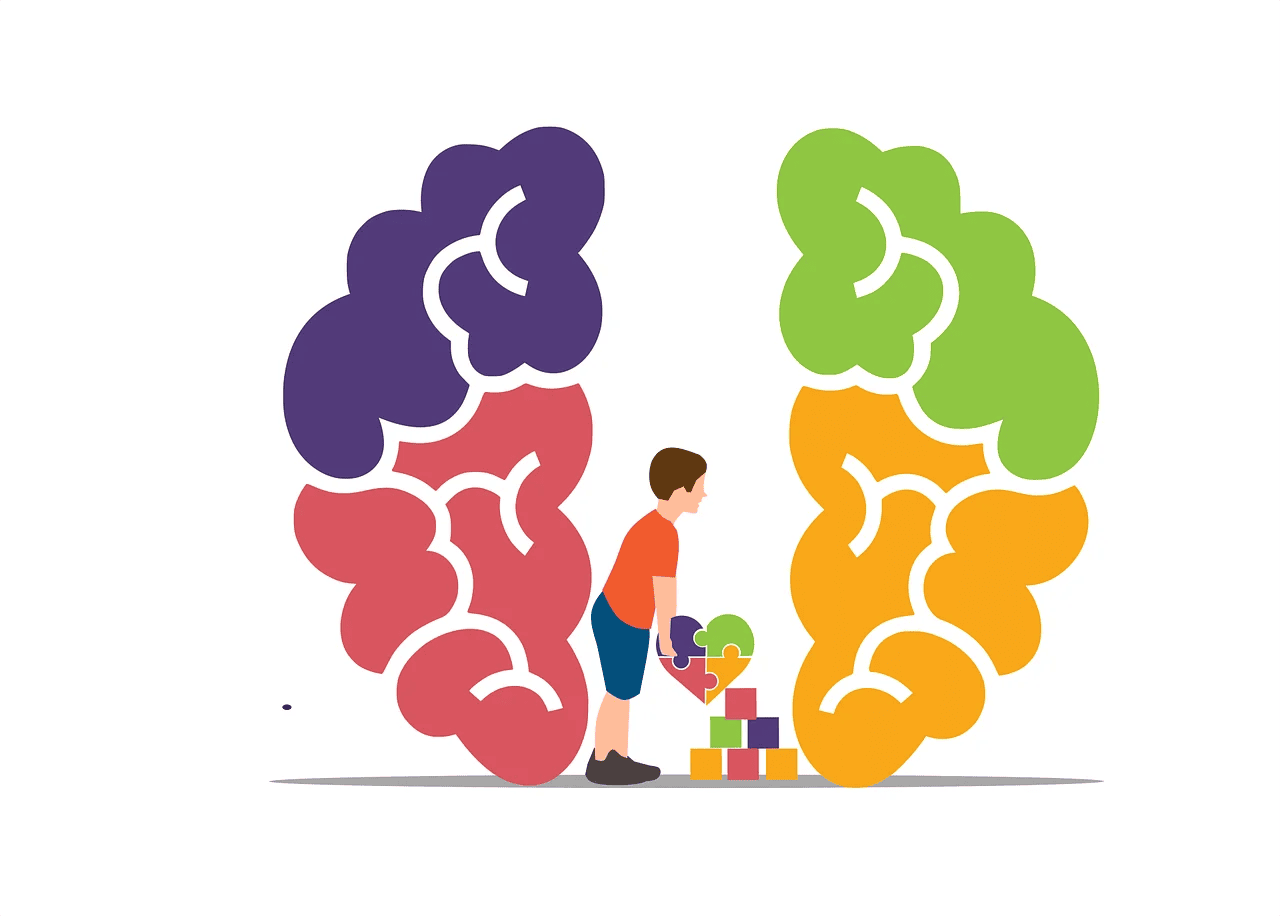
Autism spectrum disorder includes conditions that were once thought to be separate — autism, Asperger's syndrome, childhood disintegrative disorder and a form of widespread developmental disorder that isn't specified.
Causes, Symptoms and Management
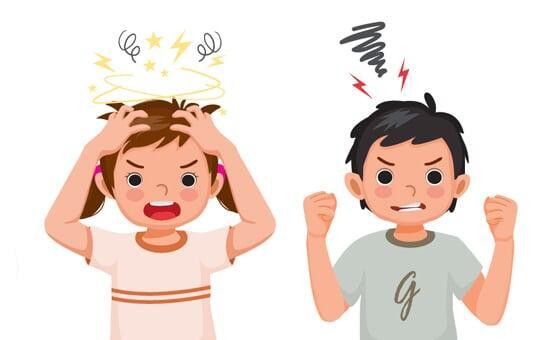
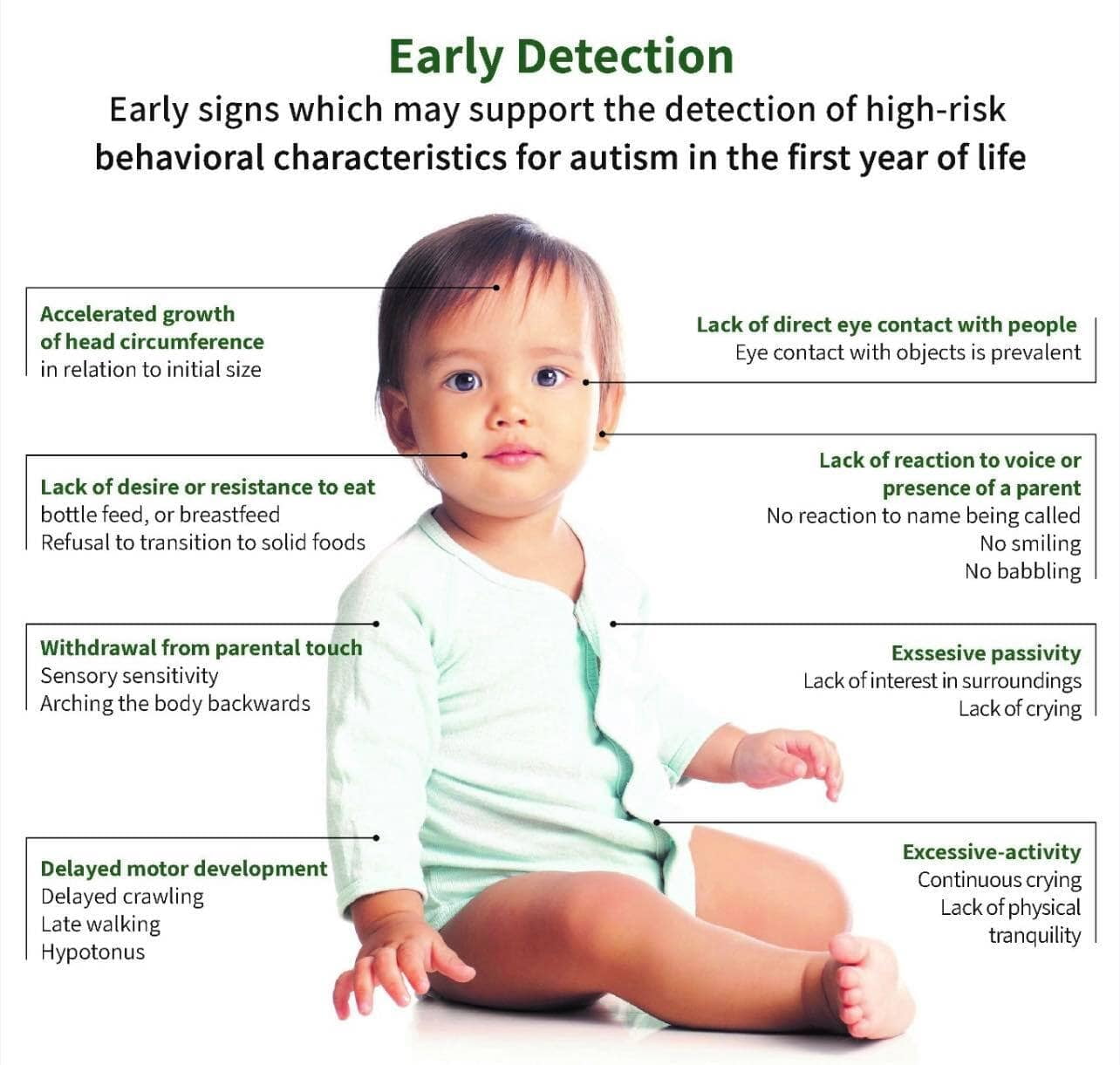
Problems in social interaction and communication
- Limited eye contact and expressions
- Delay or difficulty in speech
- Difficulty in socialising
- Lack of responsive gestures
- Non engaging in play
Restricted or repetitive behaviour
- Flapping hands, rocking the body, spinning in circles
- Unchanged routines , rigid and distressed by minor changes
- Obsessive focus on single topic or objects like wheels , cars, toys but not playing with it.
- Sensory sensitiveness - Hypo or Hyper - to noises, cloth textures or food

Early signs in babies (0 - 12 Months)
- Not smiling or making any joyful expressions in 6 months
- Non responsive to sounds , not turning head to locate sounds or to their names
- Dislike being cuddled or held
- Not reaching out to be picked up
Risk Factors
- Sex of the Child : Generally boys are diagnosed 4 times number than the girl
- Family history of autism have a higher risk
- Associated Medical conditions like fragile X syndrome, tuberous sclerosis, Rett syndrome.
- Premature Delivery (26 Weeks)
- Pregnancy in older age
Causes

Management and Treatment
- Routine screening and assessment
- Early Diagnosis
- Multi disciplinary Integrative approach
- Individualised Therapies
- Holistic Homoeopathy Treatment
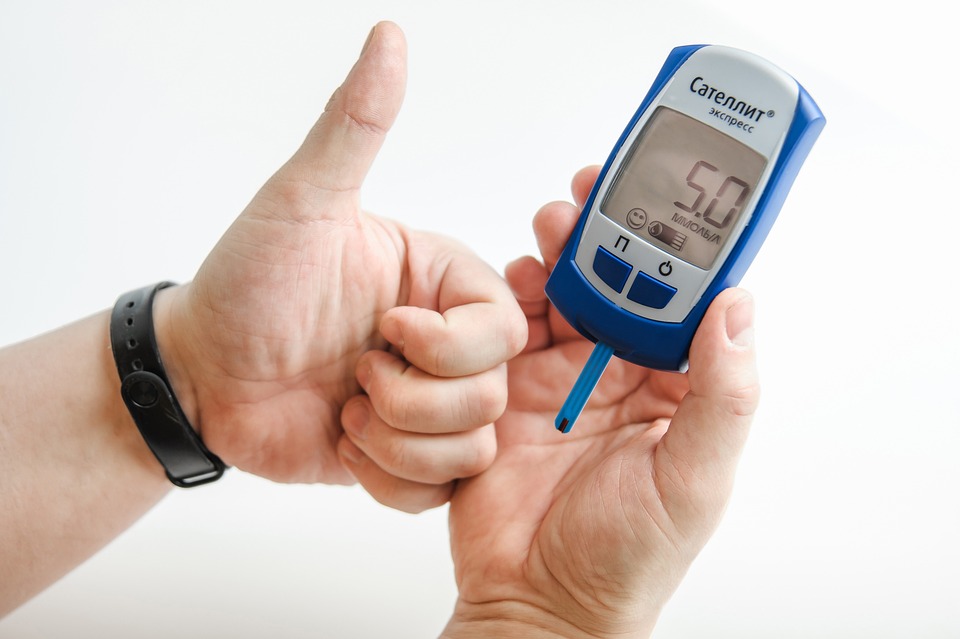
DIABETES MELLITUS
Types, Causes, Symptoms and Management
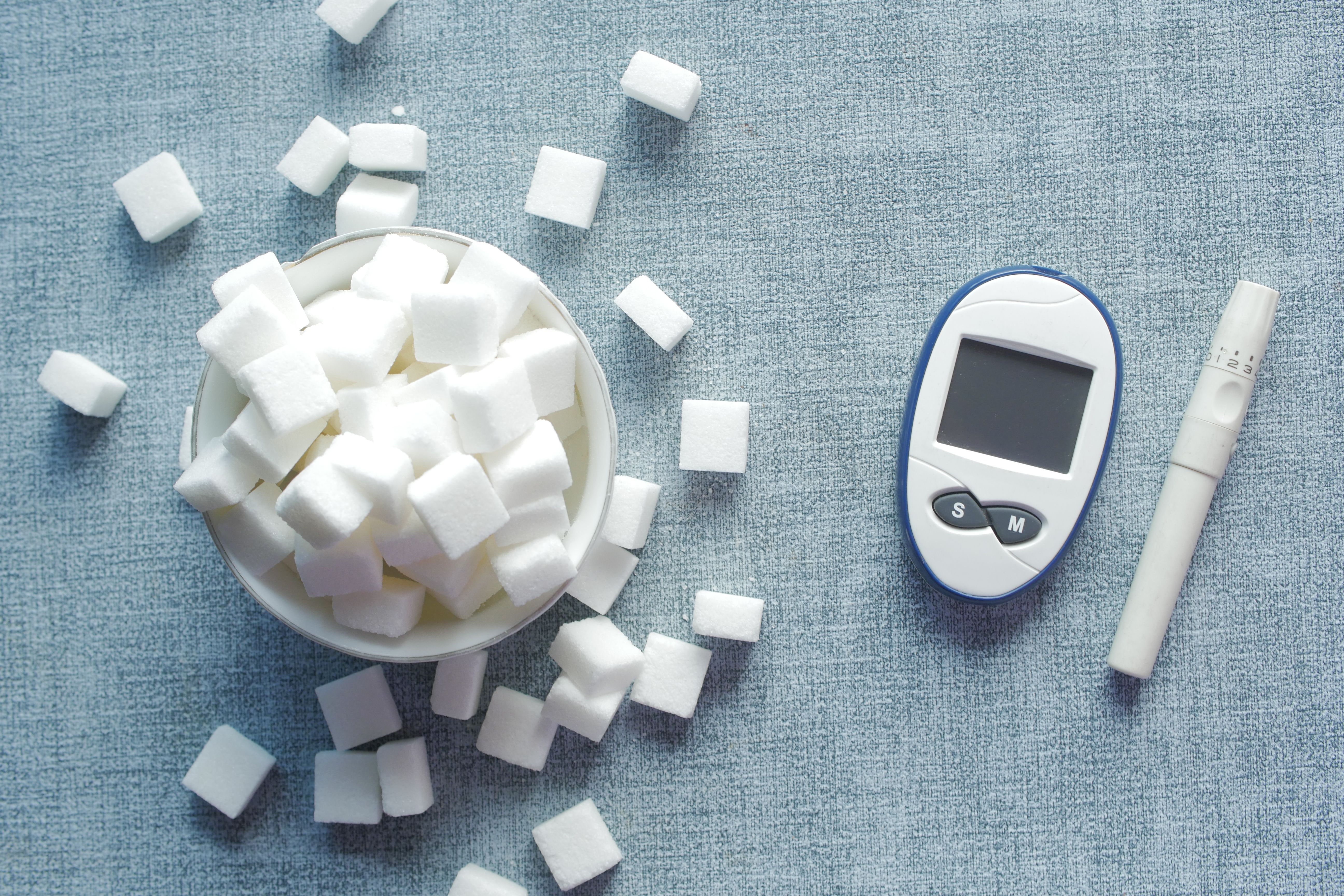
Types of Diabetes (Common)
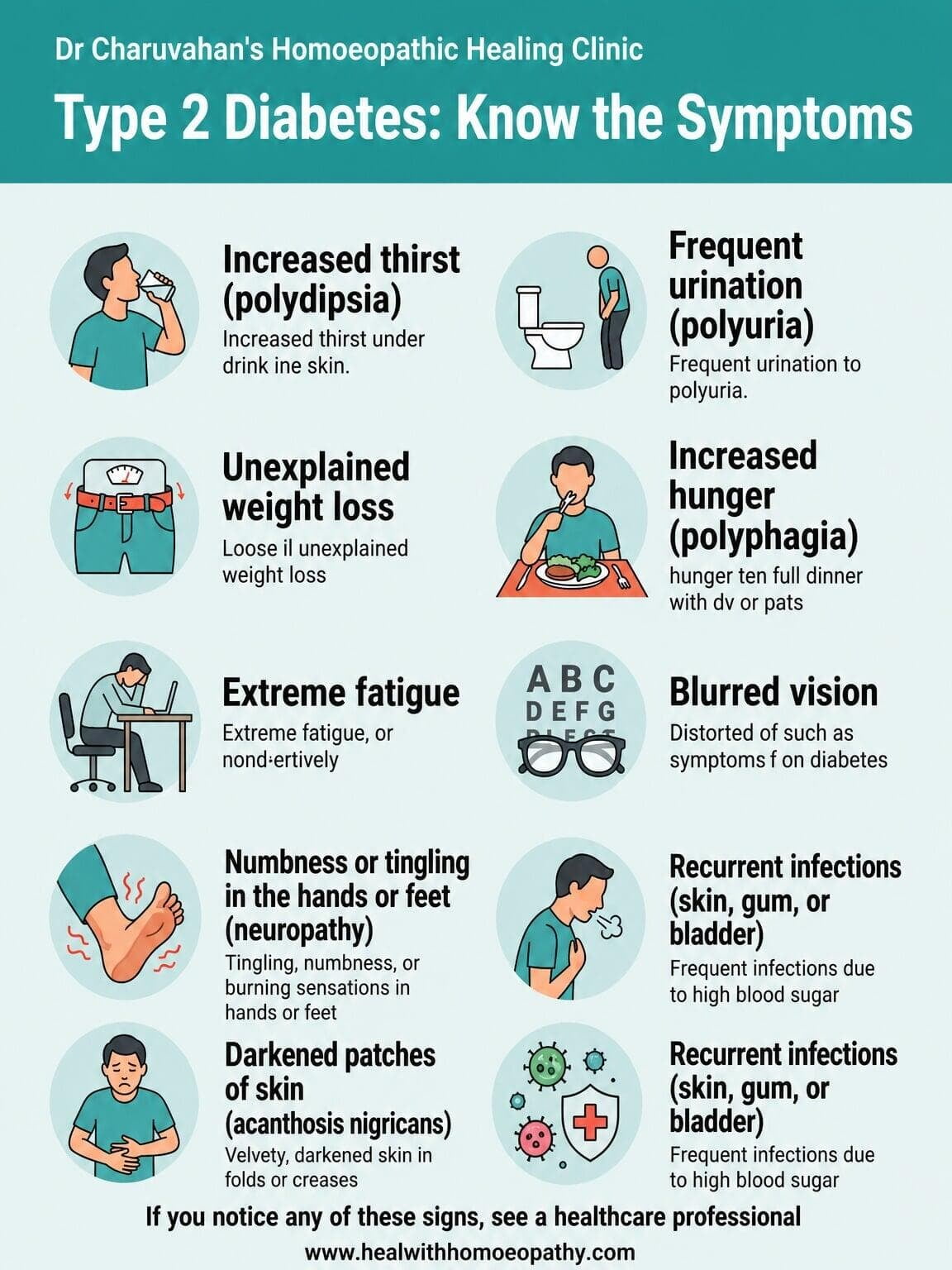
- Type 2 Diabetes: With this type, your body doesn’t make enough insulin and/or your body’s cells don’t respond normally to the insulin (insulin resistance). This is the most common type of diabetes. It mainly affects adults, but children can have it as well.
- Prediabetes: This type is the stage before Type 2 diabetes. Your blood glucose levels are higher than normal but not high enough to be officially diagnosed with Type 2 diabetes.
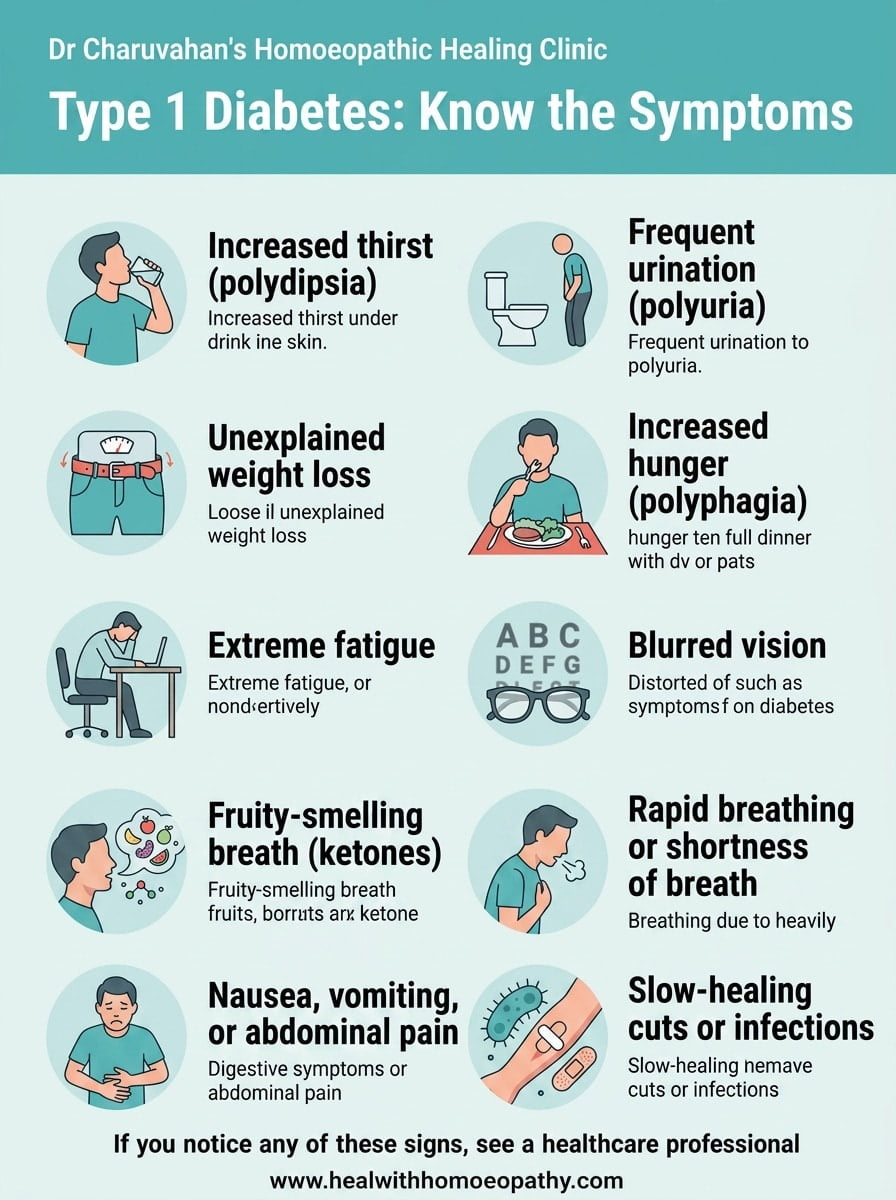
- Type 1 Diabetes: An autoimmune disease in which your immune system attacks and destroys insulin-producing cells in your pancreas for unknown reasons. attacks and destroys insulin-producing cells in your pancreas for unknown reasons.
- Gestational Diabetes: Develops in pregnancy to some people. Gestational diabetes usually goes away after pregnancy. You’re at a higher risk of developing Type 2 diabetes later in life.
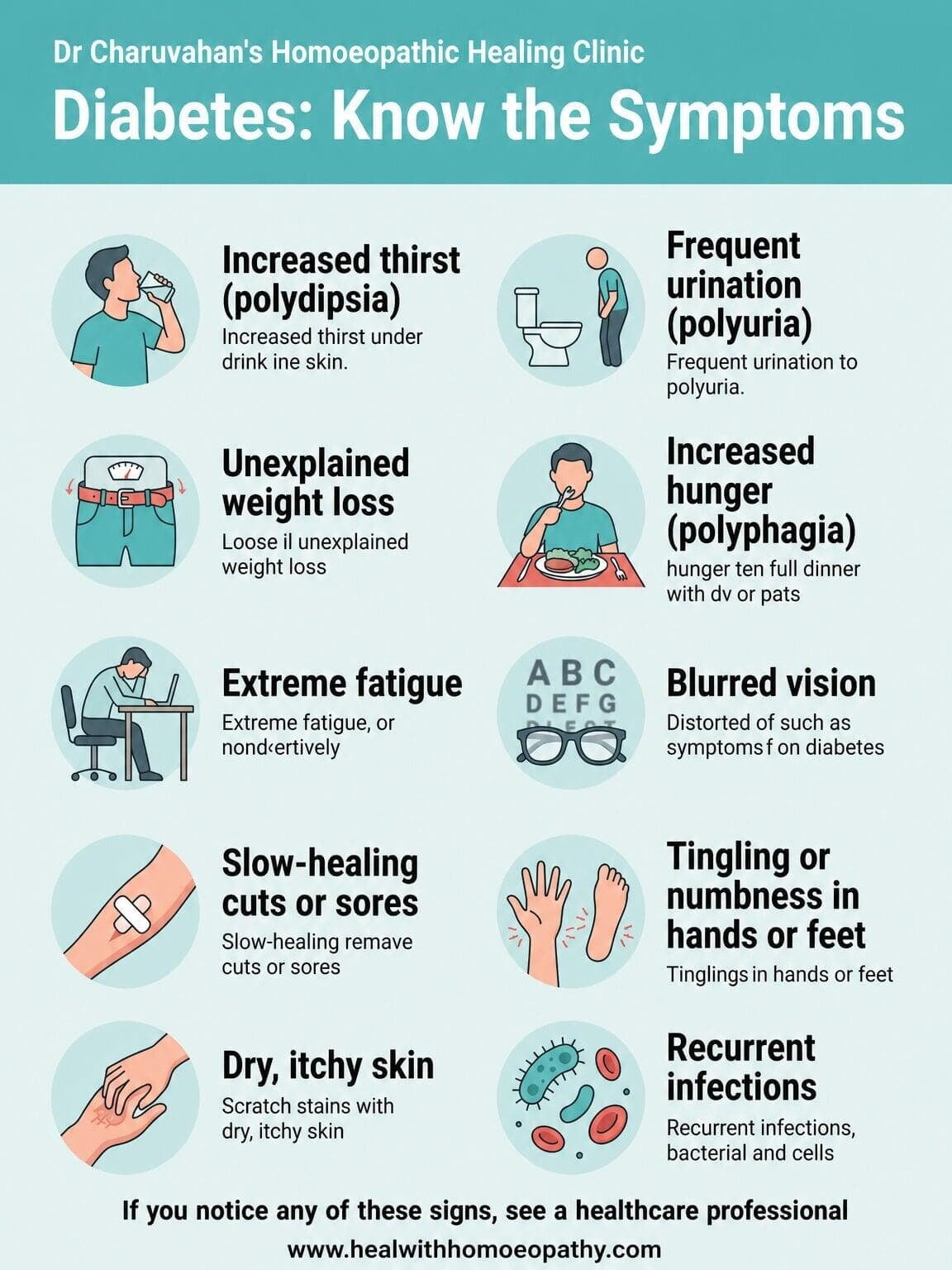
Acute Complications:
- Hyperosmolor Hyperglycemic State (HHS)
- Diabetes Ketoacidosis (DKA)
- Severe low blood sugar level (Hypoglycemia)
Other Types of Diabetes:
- Type 3C Diabetes: This type of diabetes is caused due to any damage to the pancreas other than auto immune causes like pancreatectomy, pancreatic cancer, fibrosis of pancreas due to injury or hemochromatosis which results in defective insulin production.
- Latent Autoimmune Diabetes in Adults (LADA): Similar to Type 1 diabetes, LADA also results from an autoimmune response, but it develops much more slower than Type 1 usually over the age of 30.
- Maturity-Onset Diabetes of the Young (MODY): Also called monogenic diabetes, happens due to an inherited genetic mutation that affects how your body makes and uses insulin. There are over 10 different types of MODY. About 5% of people with diabetes fall in this category and commonly runs in families.
- Neonatal diabetes: A rare monogenic form of diabetes that occurs within the first 6 months of life. About 50% of babies with neonatal diabetes have the lifelong form called permanent neonatal diabetes mellitus. For the other 50% the condition disappears within a few months from onset, but it can recur later in life. This is called transient neonatal diabetes mellitus.
- Brittle Diabetes: A form of Type 1 diabetes that’s marked by frequent and severe episodes of high and low blood sugar levels. This instability often leads to hospitalization.
Causes
- Insulin resistance: Main cause for Type 2 Diabetes. Insulin resistance happens when cells in your muscles, fat and liver don’t respond as they should to insulin. Several factors and conditions contribute insulin resistance, including obesity, lack of physical activity, diet, hormonal imbalances, genetics and certain medications.
- Autoimmune disease: Type 1 diabetes and LADA happen when your immune system attacks the insulin-producing cells in your pancreas.
- Hormonal Imbalance: During pregnancy, the placenta releases hormones that cause insulin resistance which may lead to gestational diabetes if your pancreas can’t produce enough insulin to overcome the insulin resistance. Other hormone-related conditions like acromegaly and Cushing syndrome can also cause Type 2 diabetes.
- Pancreatic damage: Any physical damage to your pancreas — from a condition, surgery or injury — can impact its ability to make insulin, resulting in Type 3c diabetes.
- Genetic mutations: Certain genetic mutations can cause MODY and neonatal diabetes.
Chronic Complications:
- Heart and Blood Vessels (Cardiovascular):
- Coronary Artery Disease (CAD)
- Stroke
- Atherosclerosis
- Heart attack
- Others:
- Neuropathy - Nerve Affections
- Nephropathy - Kidney Failure
- Diabetic Foot - Non Healing Ulcer
- Amputation of parts
- Sexual Dysfunction
- Retinopathy - Eye Affections
- Periodontal Disease - Teeth and Gums
- Loss of Hearing
Management and Treatment
- Regular Blood Sugar Monitoring
- Proper Medications with Integrative approach
- Diet , exercise and life style modifications
- Holistic Homoeopathy Treatment
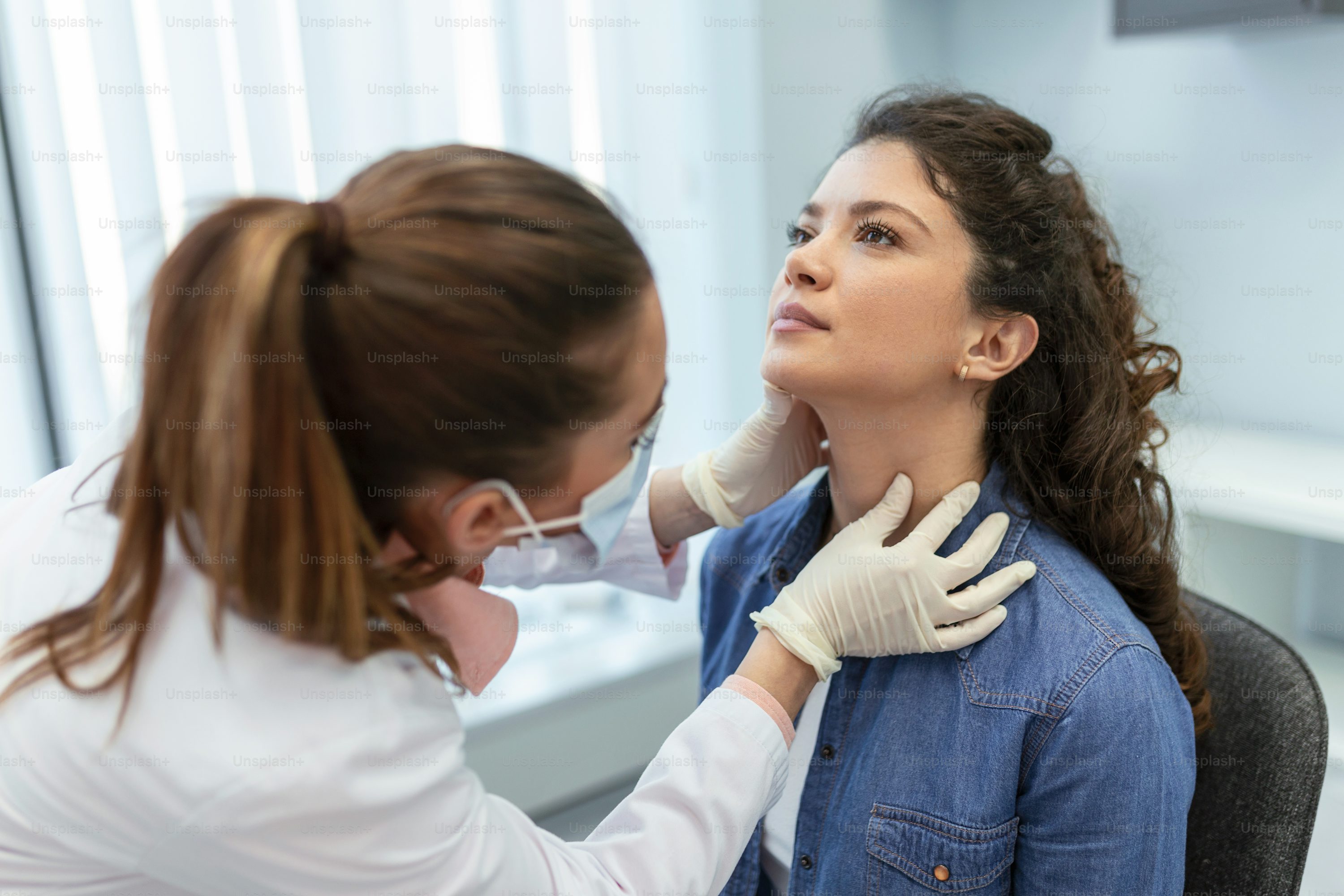
THYROID DISEASE
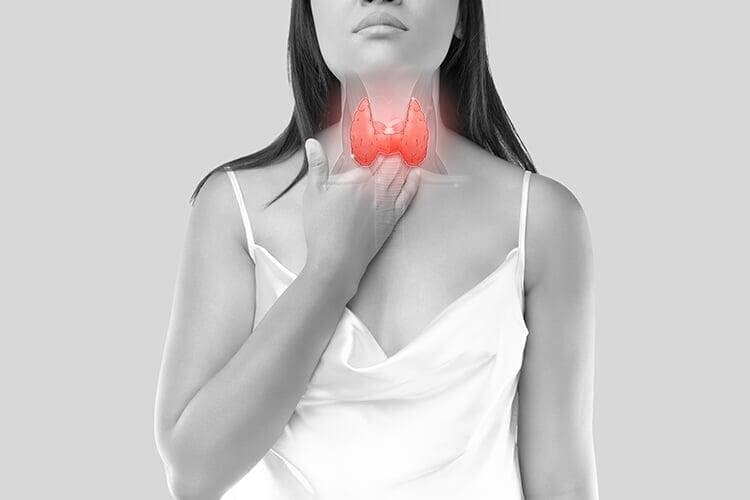
Thyroid disease is a general term for a medical condition that affects the functions of thyroid gland which can affect people of all ages.
Thyroid gland is a small, butterfly-shaped gland located at the front of your neck under your skin. It’s a part of your endocrine system and controls many of your body’s important functions by producing and releasing thyroid hormones, like thyroxine (T4) and triiodothyronine (T3).
Your thyroid’s main job is to control the speed of your metabolism (metabolic rate). This is the process of how your body transforms the food you consume into energy. All the cells in your body need energy to function. When your thyroid isn’t working properly, it can impact your entire body.
Types, Causes, Symptoms and Management
Types of Thyroid Disease
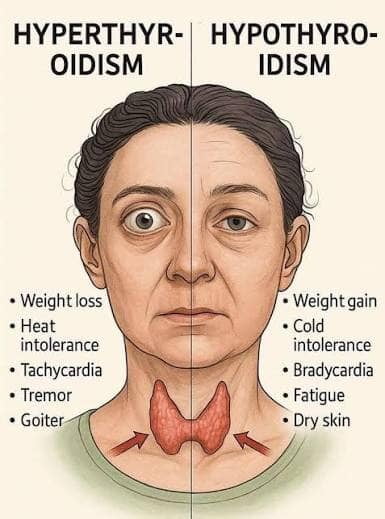
There are two main types of thyroid diseases,
- Hypothyroidism (Underactive Thyroid)
- Hyperthyroidism (Hyperactive Thyroid)
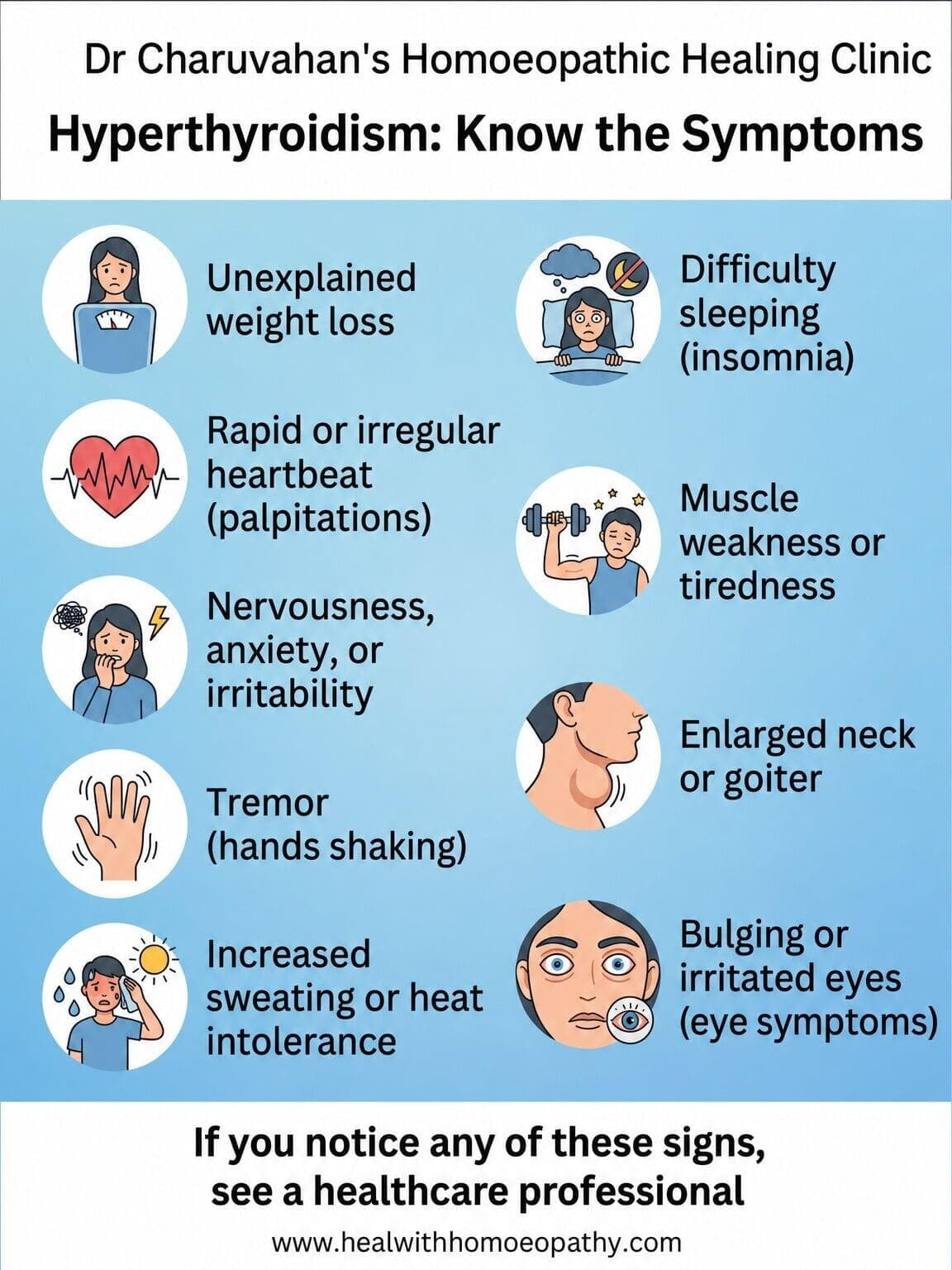
Hypothyroidism
Hashimoto's Disease: This could be a lifelong (chronic) autoimmune condition that can cause an underactive thyroid. It’s the most common cause of hypothyroidism in countries with wide usage of iodized salt and other iodine-enriched foods.
- Iodine deficiency: Thyroid needs iodine to make thyroid hormone, so a lack of the mineral in your diet can lead to hypothyroidism. It’s the most common in countries that don’t use iodized salt . It often causes goiter (enlarged thyroid).
- Congenital hypothyroidism: This is a condition occurs when babies born with absence or underactive thyroid gland. About 1 in every 2,000 to 4,000 babies have congenital hypothyroidism.
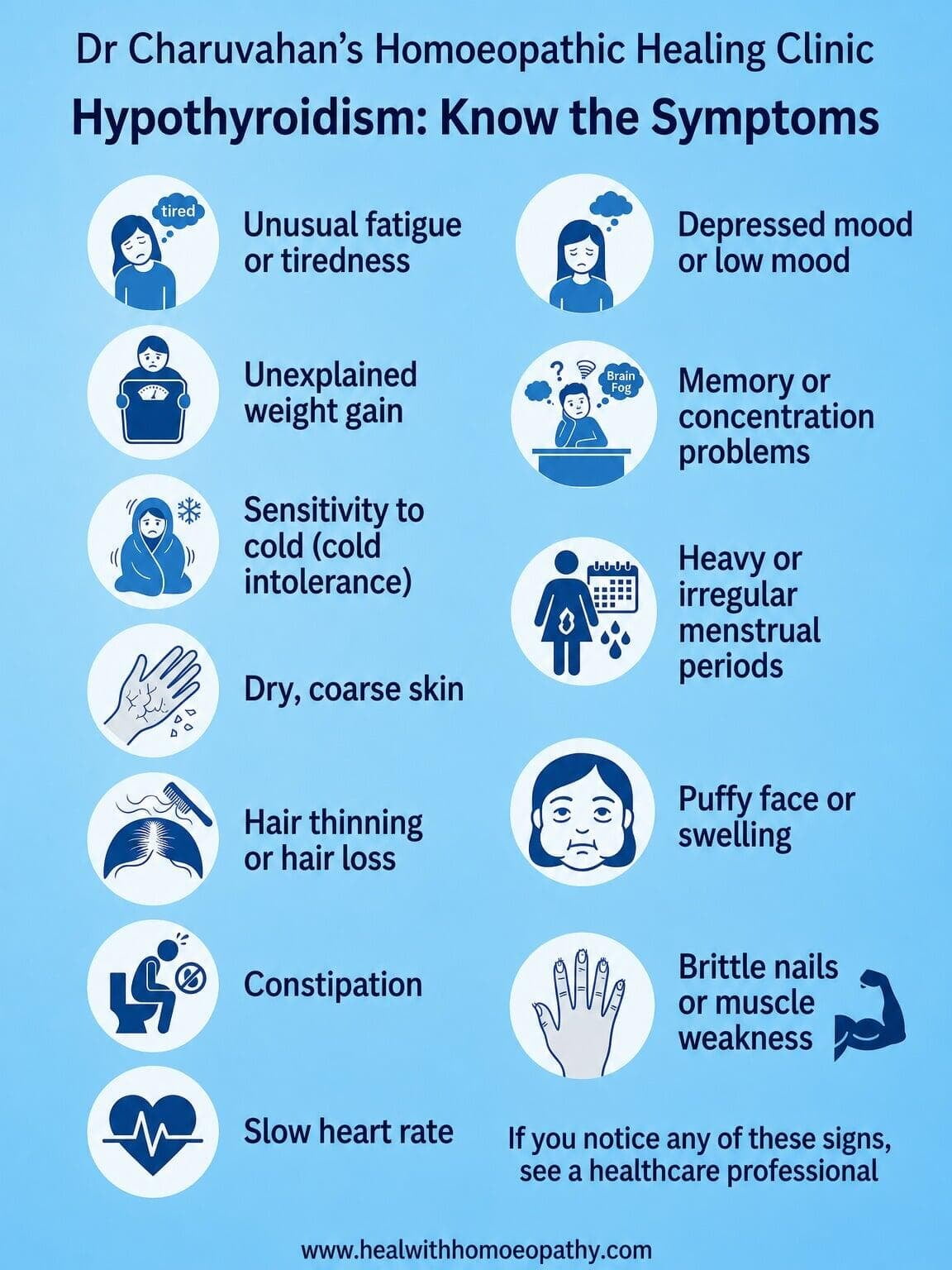
Hyperthyroidism
- Graves’ disease: This is a chronic autoimmune condition that causes an overactive thyroid. It’s the most common cause of hyperthyroidism.
- Thyroid Nodules:These are abnormal lumps on your thyroid gland. If the nodules are hyperfunctioning, they can lead to hyperthyroidism.
- Excessive iodine:When you have too much iodine in your body, your thyroid makes more thyroid hormones than you need. You may develop excessive iodine by taking certain medications, like amiodarone (a heart medication).
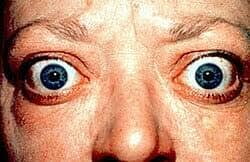
Common Causes of Thyroid Disease
- Thyroiditis: This is inflammation (swelling) of your thyroid gland. It typically causes temporary hyperthyroidism at first and then temporary or chronic hypothyroidism.
- Postpartum thyroiditis: This is a relatively rare condition that affects some birthing parents after pregnancy. It typically causes hyperthyroidism first, followed by hypothyroidism. It’s usually temporary.
Risk Factors
- Higher risk Factors:
- Female - 8 times risk than male
- Family history of thyroid disease
- Turner syndrome
- Medicine intake with high iodine compounds
- Iodine deficinecy
- Age above 60 especially females
- Exposure to radiations / radiation therapy
- Having an autoimmune diseases:
- Pernicious anemia
- Type 1 Diabetes
- Celiac disease
- Addison's disease
- Systemic Lupus Erythematosus (SLE)
- Rheumatoid arthritis
- Sjogren's Syndrome
Diagnosis , Investigations
- Blood tests:
- TSH, T3, T4
- Thyroid Antibodies
- Imaging tests:
- Ultrasound Thyroid
- Nuclear Medicine Imaging
Management and Treatment
- Hyperthyroidism:
- Anti Thyroid Drugs
- Radio iodine therapy
- Beta blockers
- Thyroidectomy
- Hypothyroidism:
- Thyroid supplement medicines
- Integrative Treatments will avoid life long medications and surgeries.
- Holistic Homoeopathic Treatment for long lasting relief
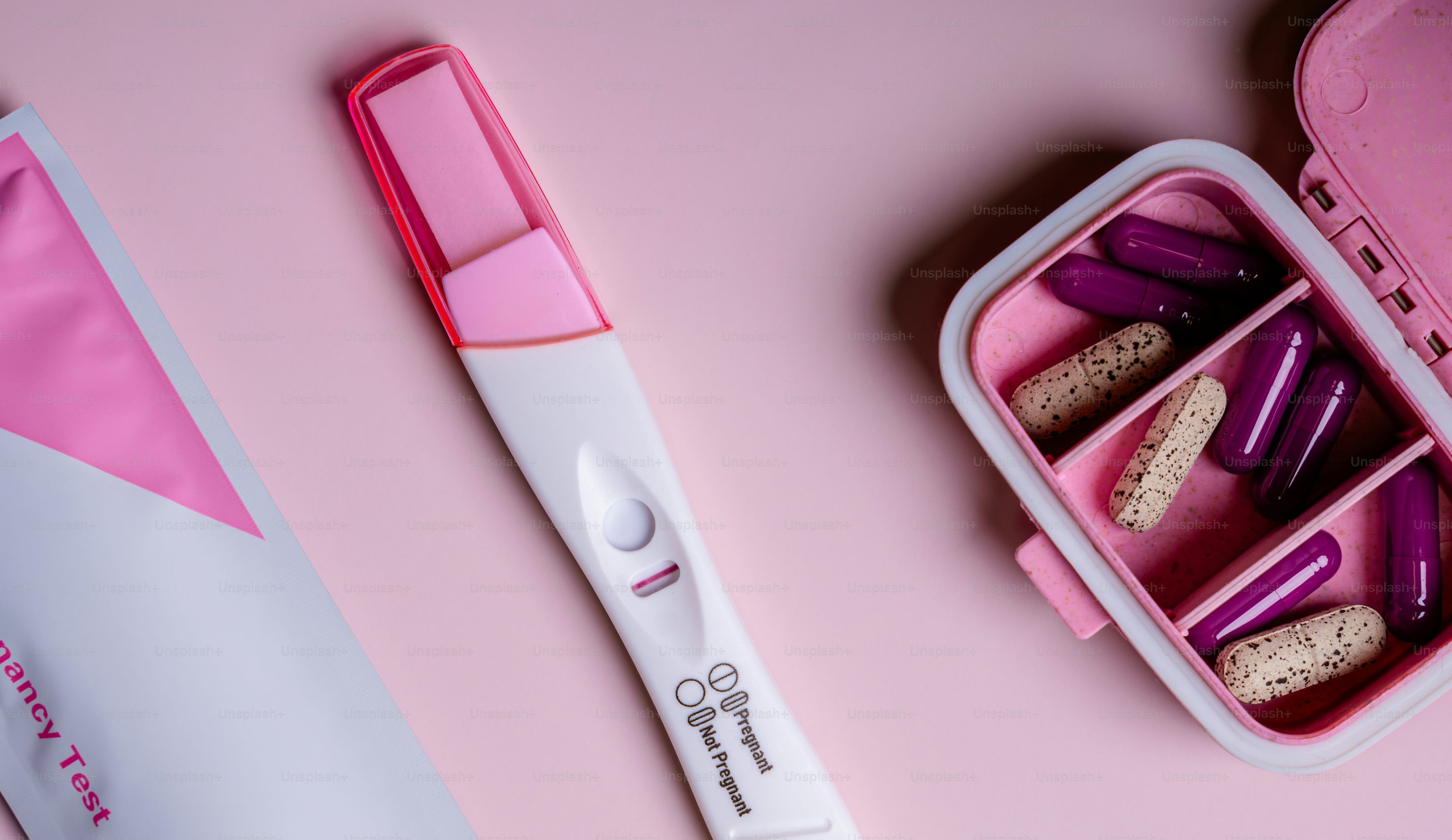
FERTILITY TREATMENT
Fertility treatment is focused on an individual or a couple who are unable to get conceive or unable to give birth to a child. In general any fertility treatments shall be broadly classified in to ,
1. Medical treatment
2. Surgical treatment
3. Pharmaceutical Interventions / Procedures
However homoeopathic treatment aims at natural conception through medical treatment and in certain cases homoeopathic medication helps in improving the chances of success with other procedures that relate to allopathic treatments.
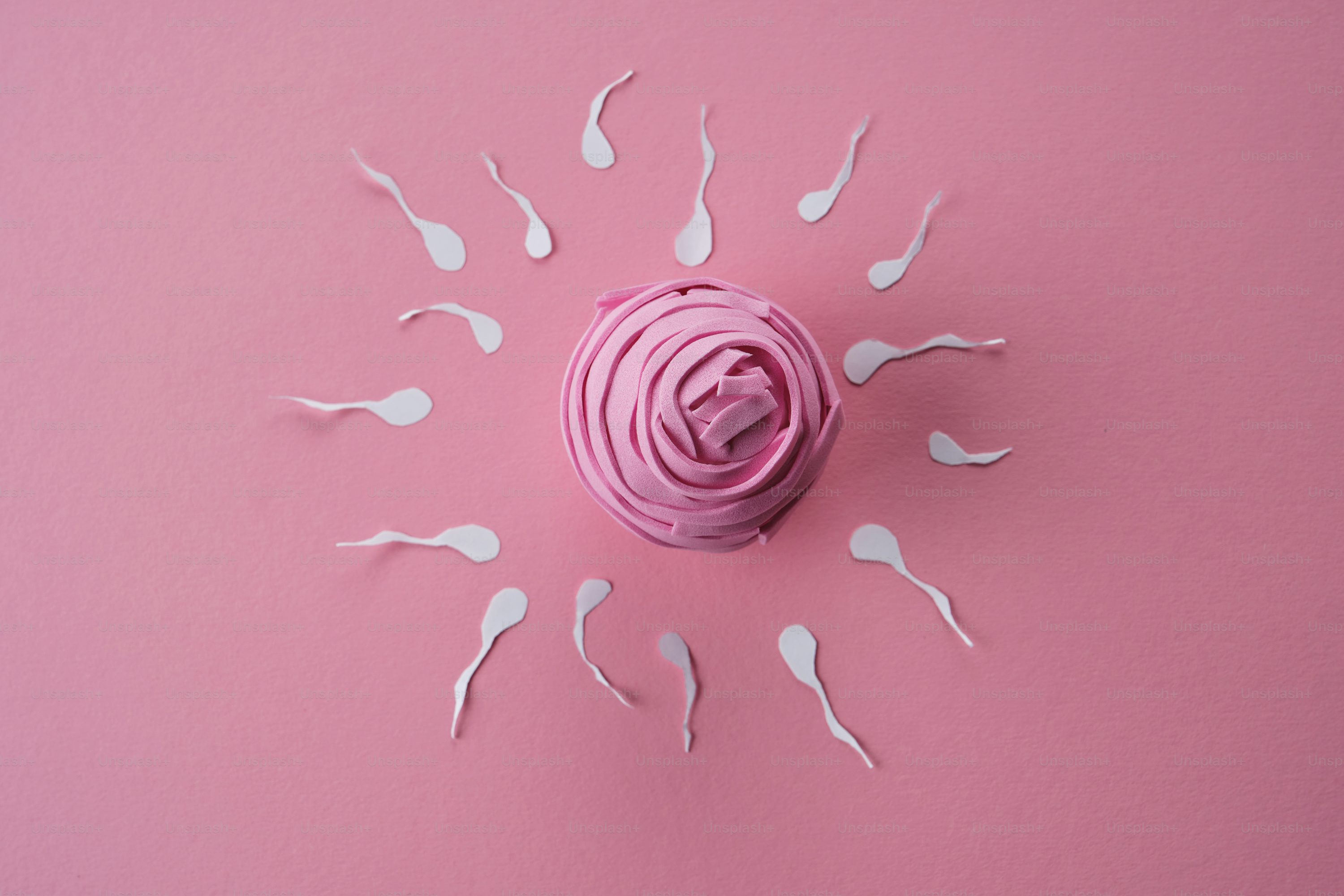
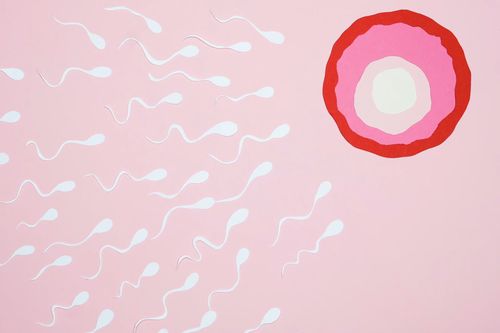
- Producing healthy male reproductive cells (sperm) and a healthy female reproductive cell (egg).
- Unblocked fallopian tubes that allow sperm to reach the egg.
- The sperm’s ability to fertilize the egg when they meet.
- The ability of the fertilized egg (embryo) to implant in the uterus.
For the pregnancy to continue to full term (39 to 40 weeks and six days), the embryo must be healthy, and the female’s hormonal environment must be adequate enough for the embryo to develop. Infertility can happen if something affects just one of these factors.
Who needs infertility treatment
Couples or individuals who are struggling and unable to conceive with regular unprotected intercourse in one year.
Couples or individuals diagnosed with medical conditions that makes them or reduce them the chance of getting conceived.
MALE INFERTILITY
Male Infertility
There are three main factors in male infertility
Sperm Production Issues
Structural blockages affecting sperm delivery
Sexual organ dysfunctions
Cause for Male Infertility
Oligospermia - Sperm defect, low sperm count
Azoospermia - Absence of sperm in your semen
Genetic disorders - Klinefelter syndrome, Myotonic distrophy.
Auto Immune Diseases
Diabetes Mellitus
Varicocele - Swollen veins in testicles
Cancer Treatments - Chemotherapy, radiation therapy.
Testicular trauma - Injury to testes
Orchiectomy - Surgical removal of your testes
Hormonal disorders - Hypothalamus or Pituitary glands affections
Check the nature of your sperm
Required life style changes
- Eat healthy foods - More of fruits and vegetables
- Maintain healthy weight
- Engaging in regular physical activity
- Walking, Jogging
- Cycling, Dancing
- Excercise
- Stress Management
- Avoid Smoking , alocohol and too many medications
- Avoid sexual lubricants during intercourse
If you or your partner experiences any of the below feelings - It is the time to contact us !
- Depression - Due to being unable to have a biological child
- Loss - Loss of interest in sexual life
- Grief - Due to social concerns
- Inadequacy - in sexual intercourse
- Failure - in errection
Diagnosis , Investigations
- Semen analysis
- Blood tests
- Hormonal assessment
- Genes and Chromosomes
- Imaging tests:
- Ultrasound
- MRI
- Venogram


Risk Factors
- Higher risk Factors:
- Obesity
- Body Mass Index greater than 25
- Age above 45
- Radiation exposure
- Chemical exposure - toxins, lead, mercury, pesticides
- Use of tobacco, marijuana or alcohol
- Occupations spending lots of time around heat that increases the temperature of your testes - inculding massage and hot baths
- Past history of
- Undescended testes
- Varicocele
- Severe Viral infections
- Tuberculosis
- Medications includes / Contains:
- Anabolic Androgenic Steroids (AAS)
- Flutamides
- Spironalactone
- Biclutamide
Management and Treatment
- Stress management
- Simple life style practice
- Meditation and Yoga practice
- Holistic Homoeopathic Treatment
- Integrative treatment
FEMALE INFERTILITY
Female Infertility
- Primary: Never or unable to get pregnant after 6 months or 1 year with regular unprotected sex.
- Secondary: Unable to get pregnant after having at least one successful pregnancy and birth.
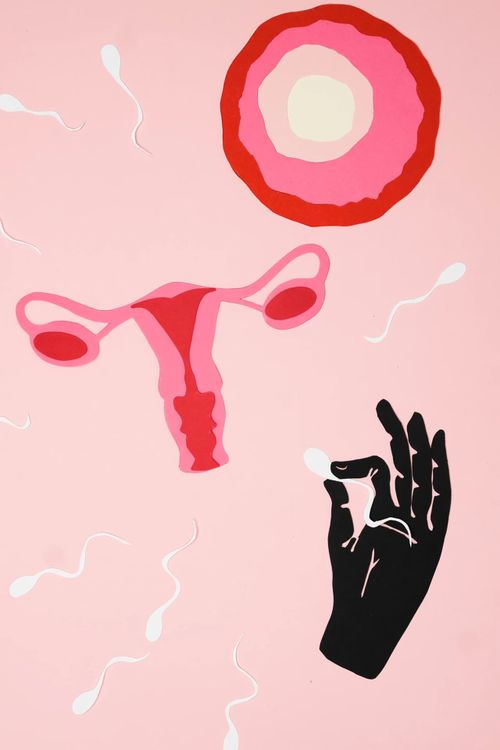
Cause for Female Infertility
Main Factors in Female Infertility:
- Problems with your uterus:
- Polyps
- Fibroids
- Adhesions or scaring inside uterine cavity
- Adhesions due to D & C
- Problems in fallopian tube:
- Pelvic Inflammatory Disease
- Untreated gonorrhea or chlamydia Infections
- Scaring due to endometriosis
- Problems with Ovulation:
- Hormonal Imbalances
- Stress
- Pituitary tumors
- Thyroid disease
- Problems with egg production and releasing:
- Production of less number of eggs
- Problems in releasing the produced eggs
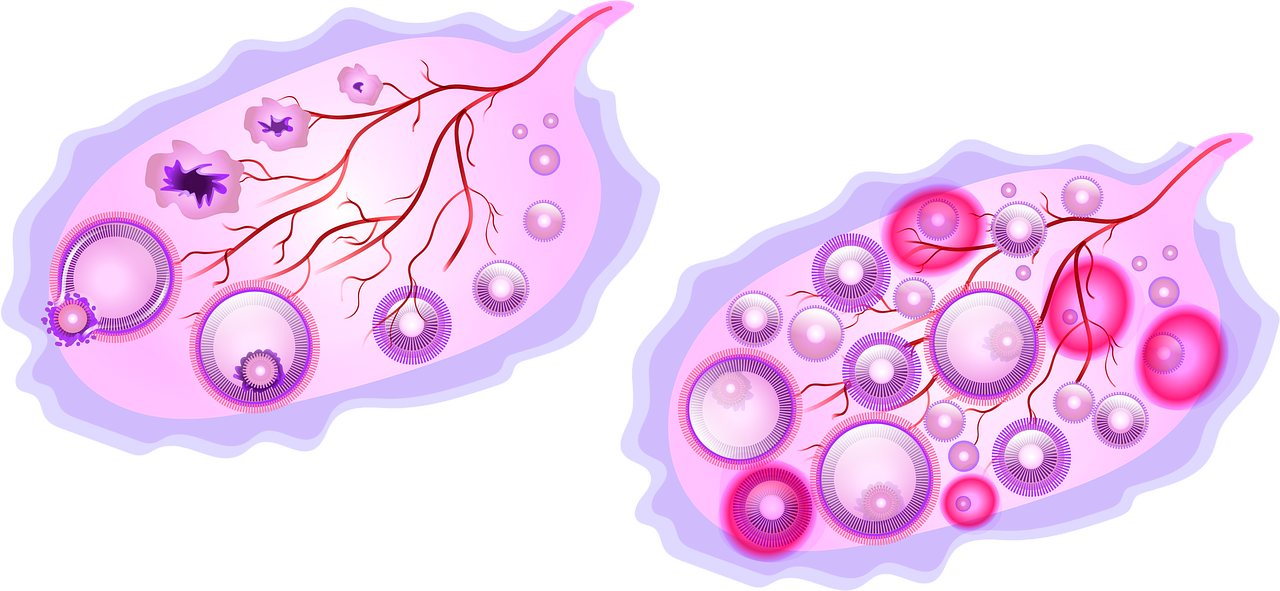
- Primary ovarian insufficiency
- PMOS (Polyendocrine mMetabolic Ovarian Syndrome)
How Does Age impact on Infertility?
- Number of eggs reduced
- Eggs with abnormal chromosomes
- Chances of other health issues are more
Required life style changes
- Eat healthy foods - More of fruits and vegetables
- Maintain healthy weight
- Engaging in regular physical activity
- Walking, Jogging
- Cycling, Dancing
- Excercise
- Stress Management
- Avoid Smoking , alocohol and too many medications
- Avoid sexual lubricants during intercourse
If you or your partner experiences any of the below feelings - It is the time to contact us !
- Depression - Due to being unable to have a biological child
- Loss - Loss of interest in sexual life
- Grief - Due to social concerns
- Inadequacy - in sexual intercourse
- Failure - in orgasm
Diagnosis , Investigations
- Physical Examinatio
- Blood tests
- Hormonal assessment
- Genes and Chromosomes
- Thyroid Function Test
- Ovarian reserve
- Imaging tests:
- Ultrasound - Pelvis, Transvaginal
- MRI
- X Ray - Hyterosalpingogram
- Saline sonohysterogram (SIS)
- Hysteroscopy

Risk Factors
- Higher risk Factors:
- Obesity
- Hormones preventing ovulation
- Age above 35
- Abnormal Menstrual Cycle
- Underweight
- Over exercise
- Endometriosis
- Structural problems
- Fallopian tubal block
- In Uterus
- In Ovaries
- Auto Immune Diseases
- Lupus (SLE)
- Rheumatoid Arthritis
- Hashimoto's Disease
- Pelvic Inflammatory Diseases
- Sexually Transmitted Diseases
- History of ectopic pregnancy
- Primary Ovarian Insufficiency
- Excessive drug use
- Smoking
Management and Treatment
- Stress management
- Simple life style practice
- Meditation and Yoga practice
- Holistic Homoeopathic Treatment
- Integrative treatment